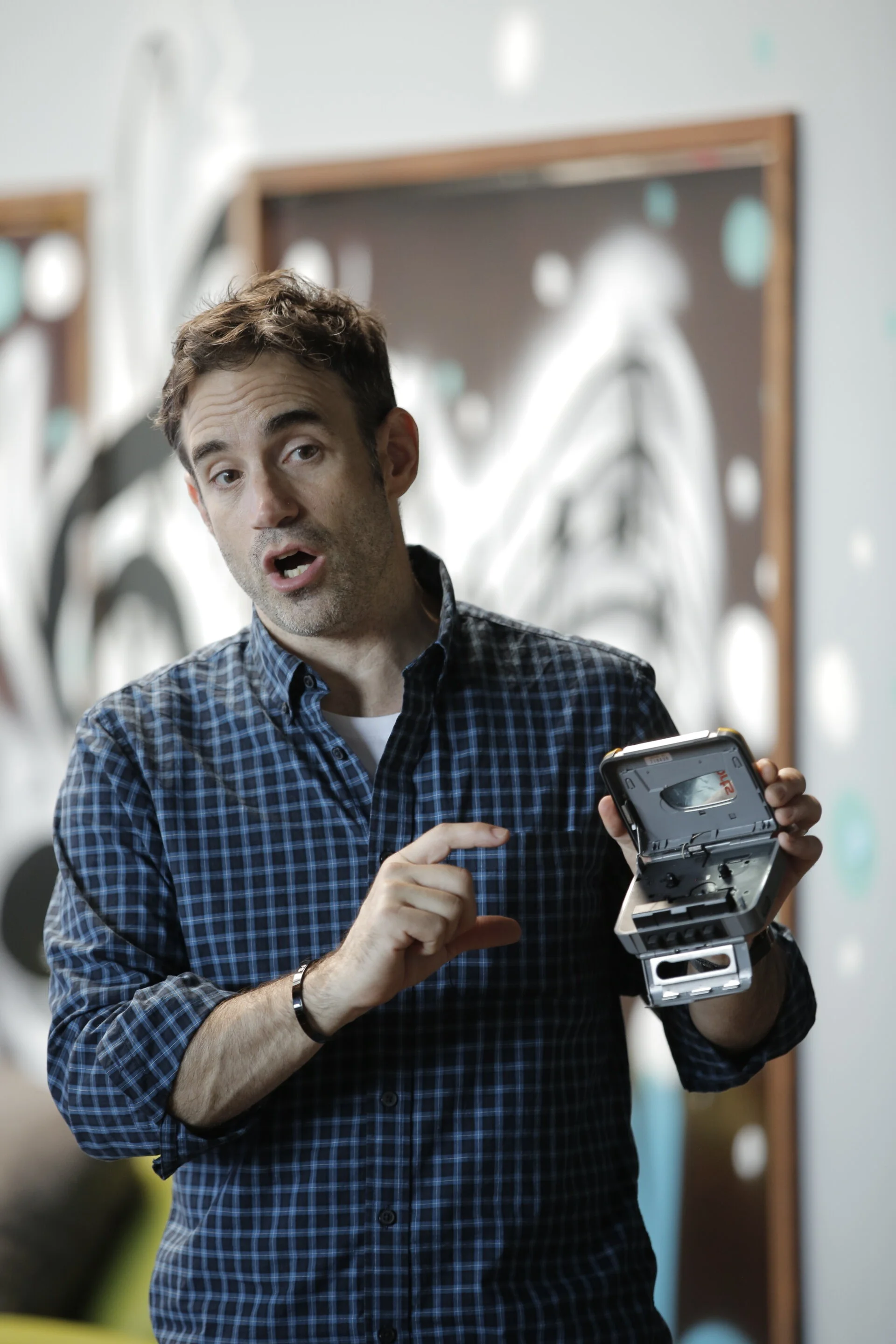
Kenny Shults’ work and the experiences that shaped his approach.
Kenny grew up in the American South during the politically charged 1980s, coming of age as a young LGBTQ person amid conservatism, homophobia, and the AIDS crisis. Adolescence unfolded alongside family mental health challenges and widespread social stigma, creating an early awareness of how profoundly systems, culture, and policy shape individual lives. These experiences laid the foundation for a lifelong commitment to activism, public health, and youth advocacy.
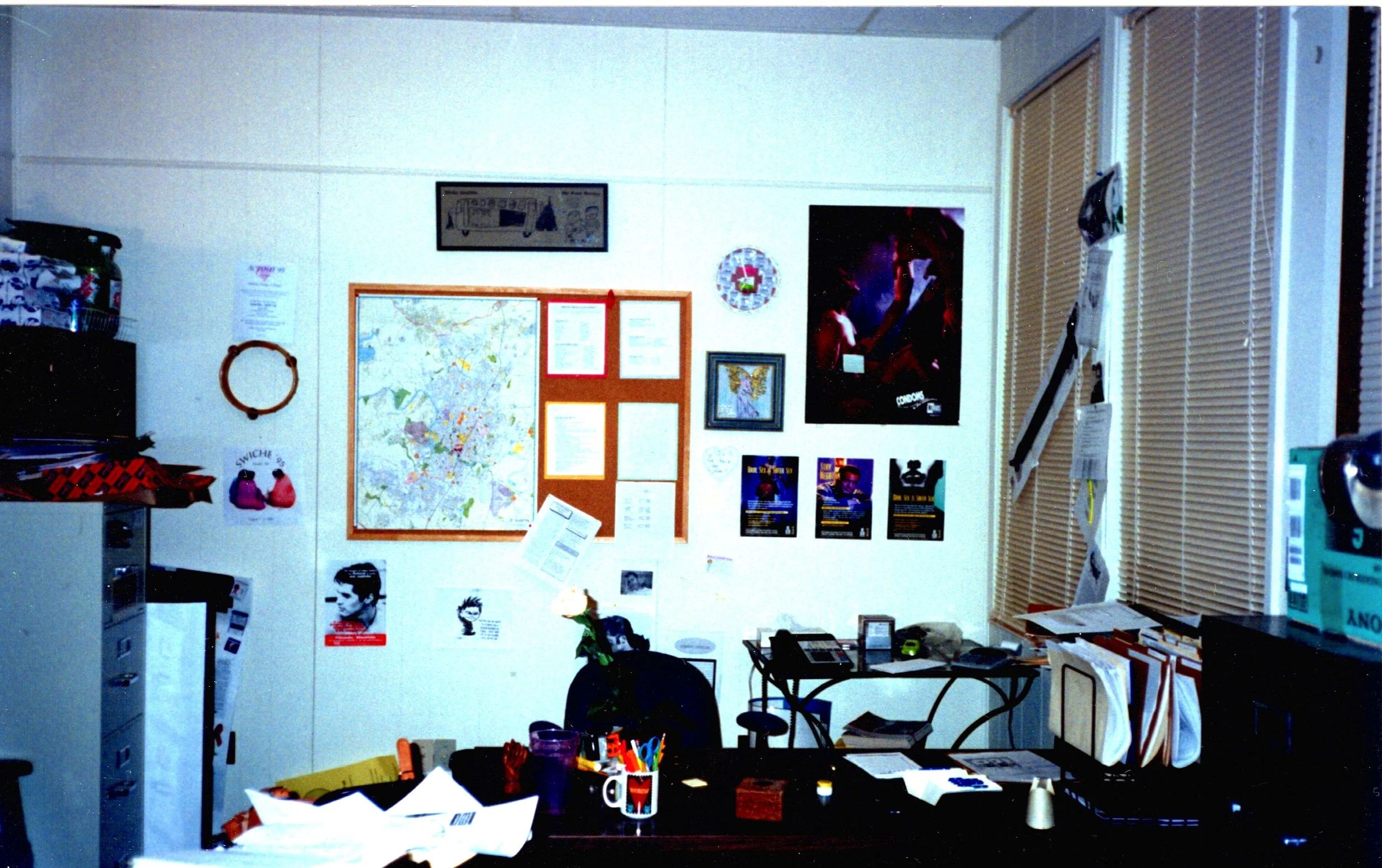
In the early 1990s, while pursuing work as an actor, Kenny became deeply involved in HIV prevention and youth education, volunteering with Planned Parenthood’s education department in Austin, Texas. There, he co-founded a youth theater troupe that used performance to address issues including dating violence, homophobia, racism, sexism, and harassment—centering young people’s voices and lived realities at a time when those perspectives were often ignored.
That work led to the creation of Project PHASE (Peer HIV & AIDS Services & Education), a community-based organization serving street-involved youth in Austin, many of whom were LGBTQ and at high risk of HIV infection. The organization provided food, clothing, emergency medical care, and sexual health services, while emphasizing dignity, harm reduction, and peer-based support. Kenny later served as Gay Community Educator at AIDS Services of Austin, where he helped secure a donated van to launch the Austin Harm Reduction Coalition. The coalition delivered safer injection supplies and health resources throughout the city, while outreach efforts focused on empowering gay men to remain HIV negative—moving beyond the fear- and shame-based messaging that characterized much of the previous decade.
In 1996, Kenny relocated to San Francisco, where he completed degrees in Psychology and Cultural Studies while continuing to study performance and work as a professional actor. During this period, he consulted for the National Minority AIDS Council and the Office of Minority Health, helping to develop some of the earliest protocols for internet-based HIV prevention. These efforts contributed to foundational guidance that later informed the CDC’s official recommendations for ethical online outreach in HIV and STI prevention.
In 2003, Kenny was recruited by EngenderHealth in New York City, where he focused on male sexual and reproductive health and advocated for safer, more equitable family planning options. Following federal funding shifts, he established Connected Health Solutions to support East Coast organizations in developing culturally responsive, media-based programs for young men of color at high risk for HIV.
In 2004, Kenny joined the Medical and Health Research Association, where he trained and supported agencies nationwide working with young men of color. He later led a multi-year CDC-funded initiative to expand and adapt an evidence-based intervention for runaway and homeless youth, traveling extensively to train facilitators and tailor programming for diverse communities across the country.
Since returning to consulting full-time with Connected Health Solutions in 2010, Kenny’s work has increasingly focused on participatory media, positive youth development, and ethical storytelling. Drawing on decades of frontline public health experience, he has helped organizations engage young people not only as subjects of messaging, but as co-creators—producing media that reflects lived experience while building critical skills, confidence, and agency.
Across roles and decades, Kenny’s work has been guided by a consistent principle: meaningful change happens when people are treated as whole, capable human beings, and when systems are designed to listen as much as they speak.